When a video doesn’t perform the way you hoped, it’s really easy to blame the editing.
Maybe the cuts weren’t smooth enough. Maybe the pacing felt off. Maybe it just didn’t look as polished as you wanted.
So what do most people do?
They focus on fixing the edit.
But that’s usually not where the problem starts.
You can have:
- clean cuts
- nice transitions
- good music
- solid visuals
…and the video can still fall flat.
Why?
Because if the idea behind the video isn’t clear, no amount of editing is going to magically make people understand it.
Editing can improve a video, but it can’t save one.
Most of the time, the issue happens before you even hit record.
It looks something like this:
- You have a general idea, but it’s not fully clear
- You try to say too many things at once
- You’re not 100% sure who the video is for
- You start filming anyway, hoping it will “come together later”
And then later… you’re stuck trying to fix it in post..
Before you think about visuals, transitions, or anything technical, there are 3 things that matter more than anything:
1. Know exactly what you’re saying
If you had to explain your video in one sentence, could you?
If the answer is:
“Well, it’s kind of about this… but also this…”
That’s your first problem.
Try this instead:
Say it out loud before filming.
For example:
❌ “This video is about marketing tips, content ideas, and how to grow your business.”
That’s too much going on.
✅ “This video is about one mistake people make when starting video content.”
If you can’t say it simply, it’s probably not clear enough yet.
2. Be clear on who it’s for
Not everyone needs to understand your video, just the right people.
Ask yourself:
- Who is this for?
- What are they currently struggling with?
- Why would they stop and watch this?
When you know who you’re talking to, everything becomes easier:
- what you say
- how you say it
- what you include and what you don’t
3. Give your video a job
Every video should do something. Not everything at once, just one thing.
For example:
- help someone understand something
- answer a specific question
- show your process
- get someone to take the next step
If you don’t know what the video is meant to do, your audience won’t either.
One of the biggest mistakes I see all the time is trying to fit too much into one video.
More points ≠ better video.
In fact, it usually does the opposite.
Instead:
- stick to one idea
- explain it clearly
- keep it easy to follow
Give Your Video a Basic Flow
You don’t need a complicated script, just a simple structure you can follow every time:
- Start: what is this about?
- Middle: what do they need to know?
- End: what should they do next?
When you have this in place, filming becomes way less chaotic.
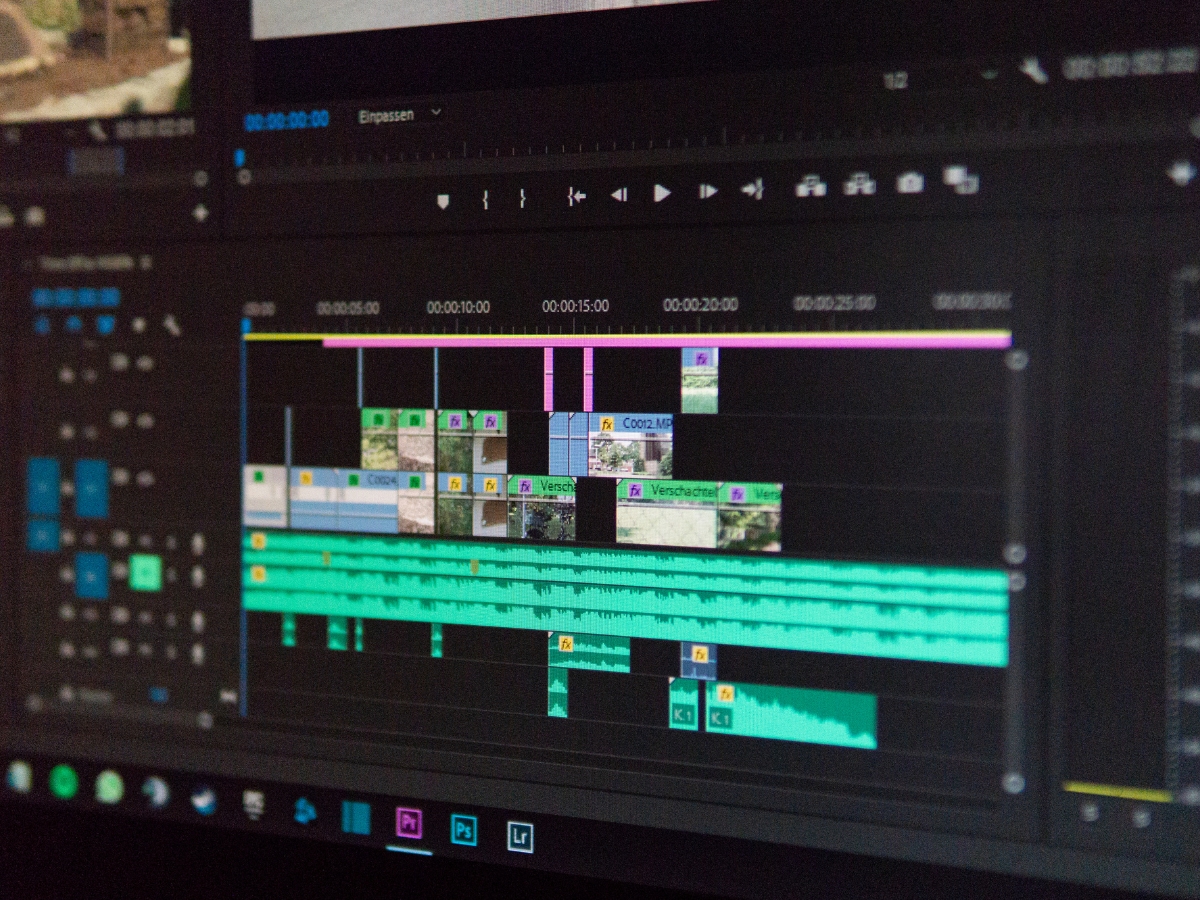
Now we talk about editing.
This is where you:
- tighten things up
- remove anything unnecessary
- make it easier to watch
- improve the overall flow
Editing is there to SUPPORT your video, NOT figure it out for you.
A Few Practical Tips You Can Use Right Away
✔ Say your idea out loud before filming.
If it sounds confusing when you say it, it’ll be confusing on video.
✔ Cut more than you think you need to.
Most videos are better when they’re shorter and tighter.
✔ Pause between sentences when filming.
It makes editing way easier later.
✔ Watch your video once as a viewer.
Not as the creator.
Ask: “Would I understand this if I didn’t make it?”
✔ Don’t rely on editing to “fix it later”.
That’s usually where things go wrong.

It’s easy to think better editing is the answer, but most of the time…
The real work happens before the editing even begins.
When your idea is clear, your video feels easier to make and easier to watch.

 The 3 Types of Videos Every Business Needs And How to Use Them
Your point that editing cannot rescue an unclear idea is spot on. For creators working with raw clips, removing a distracting background before the final cut can make the message easier to follow without adding flashy transitions.
So true! Sometimes good editing is less about what you add and more about knowing what to take away.