
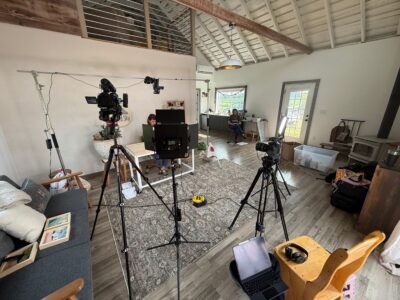
If you’ve ever hired a videographer, you’ve probably wondered what happens to all the footage that doesn’t show up in the finished video.
Maybe you filmed for 3 hours and ended up with a two-minute video. Or maybe you spent a whole day filming, and somehow all that footage turned into a few short videos for your website and social media.
So, where did everything else go?
When a camera is rolling for most of the day, it can feel a little strange to know that only a small part of what was captured makes it into the finished video.
But that doesn’t mean the rest of the footage was bad, unnecessary, or a waste of time. In fact, having plenty of footage to work with is a big part of creating a strong final video.
A lot of footage is filmed intentionally
When you’re filming a video, the goal isn’t usually to capture exactly 5 seconds of something and move on. It’s having options.
The same action might be filmed from a wide angle before moving closer to capture the details. There might be several takes of someone speaking, or different versions of the same shot with slightly different framing, movement, or lighting.
Sometimes the camera will even keep rolling before and after the planned moment, because those natural, unplanned reactions can end up being some of the best footage from the day.
That means a shoot can produce a LOT more footage than anyone will ever see in the finished video and that’s intentional. More options give the editor more freedom to put together the strongest version of the story.
Not every good clip needs to make the cut
This is one of the biggest misconceptions about unused footage.
A clip can be perfect and still not belong in the final video.
There might be three great shots showing essentially the same thing. Using all three doesn’t necessarily make that part of the video better. It might just make it feel repetitive. Or there could be a beautiful shot that simply doesn’t fit the story, pacing, or message of that particular video.
Editing involves making lots of small decisions:
- Does this clip add something new?
- Does it help move the story forward?
- Has the viewer already seen something similar?
- Does it fit the pace of the video?
- Is there another shot that communicates the same thing better?
Sometimes there are two equally good clips and only room for one. That’s just part of turning hours of footage into something people will actually want to watch.
Extra footage gives the edit room to change
Videos can change quite a bit once the editing process starts.
Something that seemed important during planning might feel unnecessary once everything is put together. An unexpected moment from the shoot could end up working better than something that was planned from the beginning.
Extra footage also comes in handy when an interview needs to be trimmed, a transition needs another visual, or the pacing of a section needs to change.
Having a good variety of footage means there are options available instead of trying to force every part of the video to work with the same few shots.
The viewer might never know those other clips were there, but they still helped shape the final video.
What about all the raw footage?
Depending on the project, raw video clips can also be provided so businesses have additional footage to use for their own marketing needs.
That footage could come in handy later for things like:
- Social media posts and Reels
- Stories
- Future marketing campaigns
- Website updates
- Behind-the-scenes content
- Short clips to pair with new messaging
Not every clip needs to become part of a professionally edited video to have value.
Having a library of footage from your business also means you’re not starting from zero every time you need something visual for your marketing. You might already have a great shot of your team, workspace, product, or service ready to use.
It’s one of the reasons a filming day can give a business much more than just the final video.
One shoot can go further than you think
It can be helpful to think beyond one video when planning a shoot.
If the cameras are already out, the lighting is set up, and the team is together, it’s worth thinking about what else the business might need content for.
Maybe it’s a main website video plus some social clips. Maybe it’s an About Us video with extra B-roll. Maybe there are testimonials, service videos, or footage that can simply be saved for future marketing.
Planning for these things before the shoot means the filming day can be used much more efficiently and create a bank of content that can keep working long after the main video is delivered.
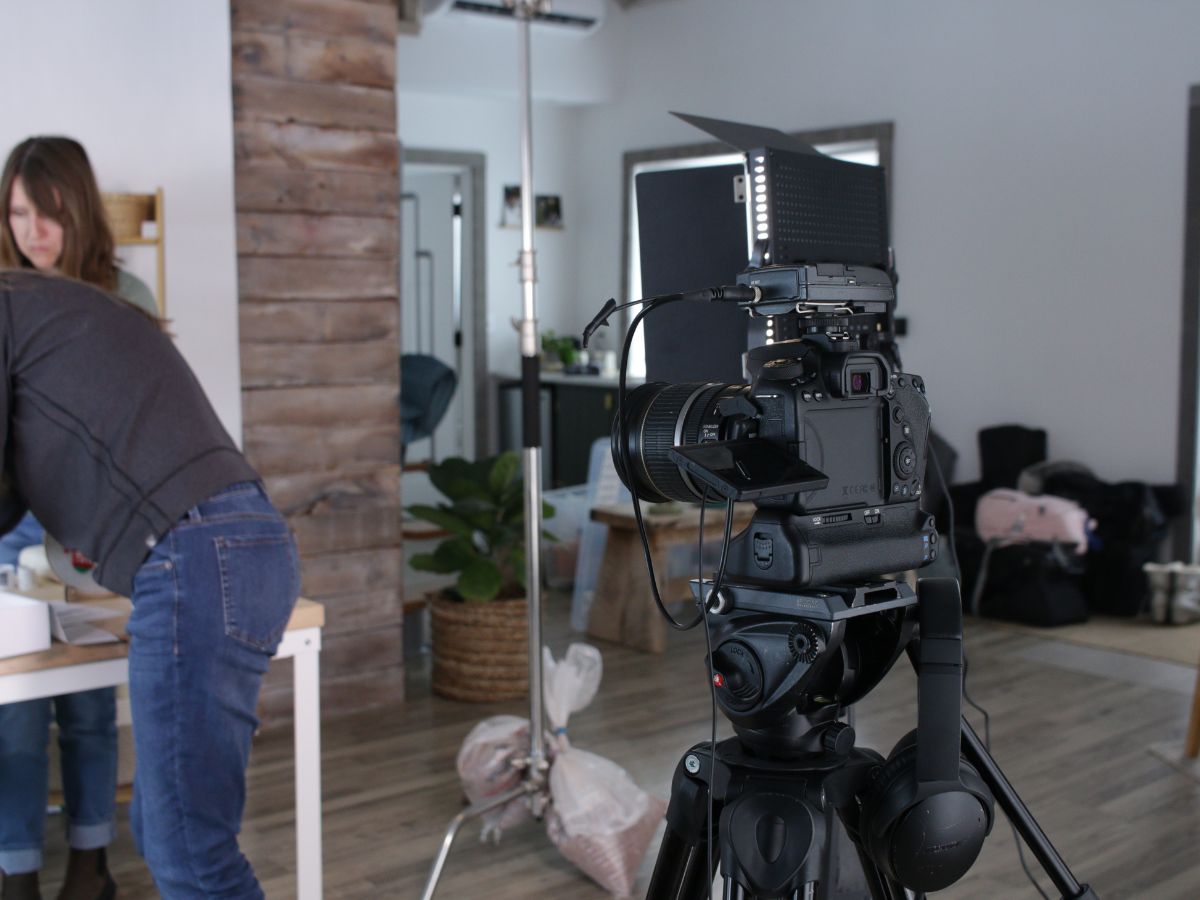
Have a lot you want to capture for your business?
A filming day can create more than one finished video. With a little planning, it can give you website content, social videos, extra footage, and plenty of material to use across your marketing.
If you’re not sure what you should be filming or how to get the most out of a shoot, let’s talk about what could work for your business.

 Three Things Being a Videographer Has Changed About Me
Leave a Reply